

Tree Service Insurance: Trimming & Removal
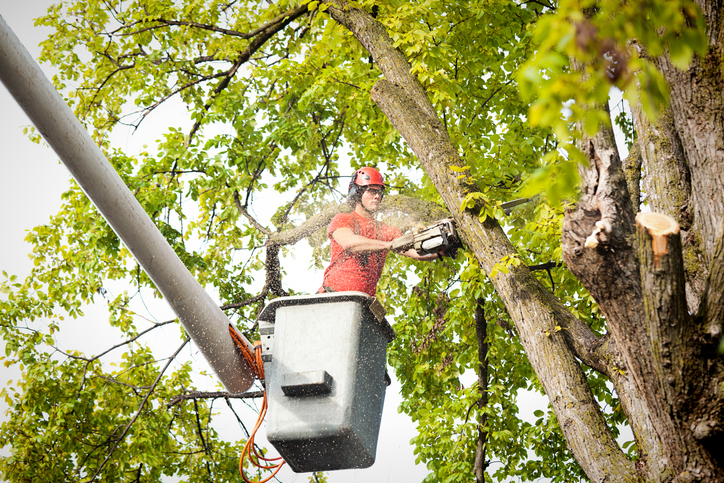
High-risk coverage for arborists and tree removal crews, including falling tree liability and aerial lift accidents.

Written by Curran Clark
Co-Founder & Licensed Insurance Producer

Written by Charlie Hughes
Co-Founder & Licensed Insurance Producer
Tree service insurance is a must, but finding the right coverage is a pain. Most agents don’t get what you actually do, and the quotes are all over the place. We built ContractorNerd to cut through the noise. Real quotes from carriers who actually insure tree guys, and agents who know what it’s like to work around chainsaws and power lines.
We’ve seen hundreds of quotes for tree service contractors. Everyone from solo guys trimming back yards to big crews running bucket trucks and grinders. The numbers are all over the map. If you want to stop overpaying or getting stuck with the wrong coverage, you need to see what’s out there and compare real quotes side by side.
Here’s what you actually need to know about tree service insurance. No fluff, just the stuff that matters:
- General Liability Insurance with benchmark quote data showing typical premiums ranging from 3% to 8% of revenue
- Workers’ Compensation requirements under NCCI class code 0106 with typical rates of $15-$35 per $100 of payroll
- Classification code 99777 for tree pruning, dusting, spraying, repairing, trimming or fumigating operations
- Additional coverage options including Tools & Equipment, Commercial Auto, E&O, and Umbrella insurance
- State-specific variations that impact insurance quotes across different markets
Want to see what you should really be paying for tree service insurance? Get started with quotes built for contractors, not paper pushers.
Tree Service Insurance – What Do You Need?
What you need for insurance depends on how big your crew is and what kind of jobs you’re taking. Here’s the real breakdown:
Sole Proprietor Tree Service Operators:
- General Liability for Tree Service is fundamental, covering property damage and non-employee bodily injury. Many customers will ask if you’re licensed and insured; this is the insurance they are asking about.
- Tools & Equipment (Inland Marine) covers your chainsaws, chippers, stump grinders, and climbing gear. If it gets stolen out of your truck or smashed on a job, this is what pays out.
- Contractor’s E&O (Faulty Workmanship) is for when a customer says you butchered their tree or a limb you cut causes damage later. Covers you if they come after you for mistakes.
- Commercial Auto is a must if you’re hauling gear, towing chippers, or running trucks for jobs. Personal auto won’t cover you if something goes sideways on the clock.
Small Tree Service Business (2-3 Employees):
- Workers compensation is required when you hire employees (not subcontractors)
- Commercial property covers your shop, storage yard, and all the gear you keep there. If it burns down or gets ripped off, this is what saves you.
- Excess Liability / Umbrella Insurance should be considered due to the high-risk nature of tree work
Established Tree Service Business (5+ Employees):
- Installation Floater covers your big-ticket gear. Bucket trucks, grinders, and chippers are used when they’re on the move or sitting at a job site. If it gets wrecked or stolen, you’re covered.
- EPLI (Employment Practices) protects you if an employee sues for stuff like wrongful termination or harassment. Not fun, but it happens.
General Liability for Tree Service – aka Tree Service Liability
If you only get one policy, make it General Liability. Tree work is risky. Heights, chainsaws, falling limbs, power lines, you name it. Here’s what usually goes wrong:
- Property Damage: Accidental damage to client’s property during tree work, including structures, vehicles, fences, landscaping, power lines, or neighboring properties
- Bodily Injury: A client, visitor, or bystander getting hurt due to falling branches, equipment operation, or wood chips/debris
- Completed Work: Lawsuits over issues from past completed jobs, such as improperly pruned trees that later fail or cause damage (Add-On)
- Products Coverage: Claims related to chemicals used for treatment, spraying, or fumigation services (Add-On)
Liability Limits for Tree Service Contractors:
GL is what keeps you from losing your shirt if something goes sideways. A tree falls on a house, someone gets hurt, or a job comes back to bite you. Doesn’t matter if you’re trimming, grinding, or cleaning up after a storm, you need it.
General liability insurance for tree service contractors typically covers:
- Bodily injury claims from accidents involving property owners, pedestrians, or other third parties
- Property damage to customer buildings, vehicles, landscapes, or neighboring structures
- Personal and advertising injury claims, including libel, slander, or copyright infringement
- Products and completed operations coverage for issues arising after tree work is finished
- Medical expenses for minor injuries sustained by others on your job sites
Standard coverage limits are typically $1 million per occurrence and $2 million aggregate annually, though many contractors opt for higher limits depending on project requirements and client contracts.
Tree service contractors face elevated risks due to the nature of their work, which directly impacts insurance quotes. Working at height with chainsaws and heavy equipment, proximity to power lines, potential for falling trees or branches to damage property, and unpredictable tree behavior make comprehensive GL coverage particularly important. The classification code 99777 (Tree Pruning, Dusting, Spraying, Repairing, Trimming or Fumigating) reflects these significant risk exposures.
Insurance quotes for tree service contractors vary significantly based on annual revenue and specific operations. Our benchmark data shows the following typical quote ranges:
| $150,000 | $12,800 | $7,200 | 44% | 4.8% – 8.5% |
| $500,000 | $24,500 | $13,400 | 45% | 2.7% – 4.9% |
| $1,000,000 | $34,200 | $19,800 | 42% | 2.0% – 3.4% |
The bigger your business, the less you pay (percentage-wise) for insurance. Small guys get hammered on rates, but as you grow, the numbers get a little better.
State-Specific Variations
GL rates jump all over the place depending on your state. Some places are brutal, others not so bad. Check our state-by-state guide to see what you should actually be paying where you work.
You need an agent who actually knows tree work. Otherwise, you’ll end up overpaying or missing coverage. Make sure they get what you do, whether it’s trimming, removals, or storm cleanups.
Workers’ Compensation Insurance for Tree Service Contractors
Workers comp isn’t optional for tree guys. Most states make you carry it, and for good reason. Falls, chainsaw cuts, and getting clocked by a limb are just part of the job.
NCCI Classification
Tree service contractors typically fall under NCCI class code 0106 – Tree Pruning, Trimming, Spraying, Repairing (or similar state-specific codes), which covers contractors performing tree care services including pruning, trimming, removal, stump grinding, and treatment services. This classification is one of the highest-rated due to the inherent dangers of working with trees at height using dangerous equipment.
Workers’ Comp Rates
You’ll pay anywhere from $15 to $35 per $100 of payroll for workers comp. Sometimes more, if your safety record isn’t great or you’re performing high-risk removals.
- Company safety record and experience modification rate
- State regulations and benefit levels
- Specific tree service operations and risk exposures (removal vs. trimming)
- Payroll classification accuracy
- Safety equipment usage and training programs
Tree work is one of the most dangerous gigs out there, so comp rates are sky-high. Keep your safety game tight and make sure you’re classifying employees right if you want to keep costs down.
Additional Insurance Tree Service Contractors Should Consider
Once you start growing, you’ll need more than just the basics. Here’s what else to look at:
Tools & Equipment Insurance (Inland Marine)
Inland Marine Insurance protects specialized tree service equipment during transit and at job sites against loss, theft, or damage. This includes chainsaws, chippers, stump grinders, climbing gear, rigging equipment, and portable tools. Annual premiums range from $500-$3,500, with policy limits of $25,000-$100,000+.
Contractors’ E&O Insurance
Protects against business mistakes and negligence claims in tree service work. Covers costs if clients claim improper pruning techniques, misdiagnosis of tree health issues, damage from falling trees or branches, or inadequate tree assessment. Includes professional negligence claims, legal defense, and judgments. Annual premiums range from $1,200-$4,000, with policy limits of $100,000-$2M+.
Commercial Auto Insurance for Tree Service Contractors
Commercial auto insurance protects work vehicles and covers liability from accidents during business operations. Essential for tree service companies operating trucks, bucket trucks, equipment trailers, and log haulers. Personal auto policies don’t cover business use. Premiums range from $2,500-$6,000 per vehicle annually, with bucket trucks and specialized equipment commanding higher rates. Standard limits are $100K per person, $300K per accident, and $100K property damage, though higher limits ($1M-$2M) are recommended for comprehensive protection.
Bonds for Tree Service Contractors
Bonds are what some states or cities want to see before you can pull permits or get licensed. Usually $10k to $50k, and you’ll pay 2-5% of that as your premium.
Commercial Property Insurance for Tree Service Contractors
Commercial property insurance protects buildings and contents (equipment, tools, materials, inventory) against fire, theft, vandalism, and weather damage. Essential for tree service businesses with equipment yards, storage facilities, or offices. Annual premiums range $2,500-$8,500, based on property value, location risks (disasters, crime), and the value of equipment stored on premises.
Commercial Umbrella Insurance for Tree Service Contractors
Umbrella insurance stacks extra coverage on top of your GL, auto, and comp. If a claim blows past your main policy limits, this is what saves your business. Tree accidents can get ugly fast, so most guys add $2M to $5M in extra limits. Runs about $800 to $2,000 per million.
Get the Right Tree Service Insurance Coverage Today
Insurance isn’t just a box to check, it’s what keeps you in business when things go sideways. GL covers you if you wreck something, comp protects your crew, and the right mix lets you take on bigger jobs without losing sleep.
Figuring out what you need is just step one. The real headache is finding quotes from carriers who actually get tree work. Most agents don’t know the difference between a chipper and a chainsaw, so you end up overpaying or missing coverage.
ContractorNerd connects you with carriers who actually write tree service accounts. Our agents know the risks, the right NCCI codes, and what safety stuff matters for your rates.
Doesn’t matter if you’re solo or running a big crew, our platform gets you quotes from carriers who actually want your business. No more calling a dozen agents who don’t get what you do.
Ready to get covered the right way? Get real quotes from agents who speak contractor, not insurance manual.
Ready to get coverage?
ContractorNerd is here to help get you the right coverage without all the hassle.