

Painting Business Insurance Specialists: Same Day Coverage

Get tailored and hassle-free painting insurance with ContractorNerd
CONTRACTOR-SPECIALIST INSURANCE PROVIDERS



















We cover what matters on the job.
Most insurance agents have no clue what painters actually deal with. We do. Painter insurance is what we do, so we know the headaches, the risks, and what really matters on the job site.

General Liability
Covers you when overspray hits a car, a ladder scratches hardwood, or prep work damages a client’s property.
Learn more

Worker’s Compensation
If someone on your crew falls off scaffolding or gets hurt on the job, you’re not eating the cost.
Learn more

Surety Bonds
Gives clients confidence you’ll finish the job right and pay your subs and suppliers.
Learn more

Commercial Auto
Protects your van full of sprayers, ladders, and materials so one fender bender doesn’t shut you down.
Learn more

Builders Risk
Covers your paint, primers, and work in progress if weather, theft, or vandalism hits before the final coat dries.
Learn more

Painter Insurance, Remodeled
Painter insurance is essential, yet many business owners struggle to find coverage tailored to their needs. No more. At ContractorNerd, we’ve built a proprietary quote platform specifically designed for painting contractors like you.

Faster, Simpler, Better
As trades-only specialists focused on painters, we’ve completely remodeled the insurance experience to be faster, simpler, and more effective.

Compare in one place
Our technology integrates directly with painter-friendly insurers who understand the unique risks of painting work, while our team of tech-enabled and specialized agents provides expert guidance throughout the process.

Solutions for Any Size
Whether you’re a solo painter or manage a crew, our platform delivers precisely what you need without the complexity or delays of traditional insurance.
What Is Painter Insurance?
ContractorNerd has done research to bring you a clear picture of insurance requirements and needs across the United States. Our analysis of over 1,100 painter insurance quotes across all 50 states provides unprecedented transparency on what coverage you need and current market rates.
Key Takeaways

Written by Curran Clark
Co-Founder & Licensed Insurance Producer

Written by Charlie Hughes
Co-Founder & Licensed Insurance Producer
What Painter Insurance Do You Need?
For painters, securing the right coverage is crucial and needs change based on the size and stage of your business. Here’s a guideline:
For Solo Painters
1-3 Employees
For Small Painting Businesses
5+ Employees
For Established Painting Businesses
Essential Coverage
Painters Liability Insurance (General Liability)
Your core protection against property damage and bodily injury claims. This is what customers mean when they ask if you’re insured.
Ongoing Operations
Covers damage while you’re on the job, like overspray on a client’s car or a dropped ladder scratching floors.
Completed Operations
Critical protection for issues discovered after you leave, like peeling paint or prep work that damages surfaces over time.
Contractor License Bonds
Required in some states for your painting license. Pro tip: Buy in 3-year increments when possible to avoid lapses and save money (typically costs a few hundred dollars).
Recommended Additional Coverage
Tools and Equipment Coverage (Inland Marine)
Protects your sprayers, pressure washers, scaffolding, and ladders from theft or damage.
Contractor’s Errors & Omissions
Covers claims of faulty workmanship, like improper surface prep or wrong product application.
Commercial Auto
Required if you have a dedicated work vehicle
Workers Compensation
Required when you hire employees (not needed for subcontractors)
Installation Floater
Protects materials in transit or stored at job sites (paint inventory, primers, specialty coatings, wallcoverings).
Commercial Property
Covers your shop, storage areas, and offices where you keep equipment and supplies.
Umbrella Insurance
Extra liability protection as your revenue and project volume grow
Employment Practices Liability (EPLI)
Protection against employee-related lawsuits


For Solo Painters
Essential Coverage
Recommended Additional Coverage
For Small Painting Businesses
2-3 Employees
All previous coverages, plus:
For Established Painting Businesses
All previous coverages, plus:
Painter General Liability Insurance Coverage
If there was a single coverage critical for all Painters, this is it. General Liability Insurance provides essential protection for painting contractors because your work involves many risks every day: ladders and scaffolding, working at heights, chemical fumes, and damage to client property.
Core protection includes

Bodily Injury
A client, visitor or bystander getting hurt due to your work activities, like tripping over drop cloths or equipment.

Property
Damage
Accidental damage to a client’s home, furnishings, flooring, landscaping, or vehicles from overspray, spills, or prep work.
Add-On

Completed
Work
Lawsuits over painting issues from past completed jobs, such as peeling, bubbling, or improper surface preparation.
Bodily Injury
A client, visitor or bystander getting hurt due to your work activities, like tripping over drop cloths or equipment.
Property
DamageAccidental damage to a client’s home, furnishings, flooring, landscaping, or vehicles from overspray, spills, or prep work.
Add-On
Completed
WorkLawsuits over painting issues from past completed jobs, such as peeling, bubbling, or improper surface preparation.
Liability Limits for Painters
Typically, $1 million per occurrence and $2 million aggregate. Experts recommend a minimum of $1 million for adequate protection. Upgrading from $500k to $1M coverage usually slightly increases premiums but provides significantly better defense.
Classification Codes
Painting contractors typically use class code 91560, though some specialty painters may use different codes based on their specific work.
Key Factors Influencing Liability Quotes

Revenue
Higher revenue means more jobs and greater exposure, leading to increased quotes.

Policy Limits
Commercial clients and GCs often require higher limits, which may raise quotes.

Claims History
A history of frequent claims can result in higher quotes, similar to auto insurance.

Location
States with stricter regulations may have higher insurance quotes.

Services Offered
Exterior work, lead paint removal, and high-rise projects carry more risk than standard interior jobs, affecting your quote.
How Much Does Painter Insurance Cost?
Quote Study Findings
Quotes generally amount to 0.6% to 1.5% of annual revenue. Our analysis of over 1,100 General Liability insurance quotes from leading carriers reveals significant variations across different states and business sizes.
We analyzed quotes based on these business profiles
Revenue
$150K
1 owner with ~10% subcontracting and 5+ years operating without claims
Revenue
$500K
1 owner and 3 employees with ~10% subcontracting and 5+ years operating without claims
Revenue
$1M
1 owner and 5 employees with ~10% subcontracting and 5+ years operating without claims
We analyzed quotes based on these business profiles
Revenue Level
National Average
Favorable Rate
Potential Savings
Low % of Revenue
High % of Revenue
$150,000
$2,090
$1,370
34%
0.93%
2.01%
$500,000
$5,380
$3,190
41%
0.70%
1.49%
$1,000,000
$10,510
$5,660
46%
0.73%
1.57%
State-by-State Pricing Insights
To help painting contractors better understand regional pricing variations, we’ve developed an in-depth resource examining painter insurance premiums in every state nationwide. This state-specific analysis reveals how local factors impact your actual costs and identifies opportunities for savings in your market. Explore our comprehensive guide to painter insurance cost by state for detailed premium breakdowns.

Painter Workers Comp Insurance Requirements
Workers’ Compensation Insurance is essential for painters, providing coverage for employee injuries or illnesses related to work. The premiums are based on job risk, classified by the National Council on Compensation Insurance (NCCI) into class codes. Painting contractors typically fall under code 5474, with rates usually between $3.48 to $8.36 per $100 of employee payroll annually.
WC Policy Limits for Painters
These are often unlimited but can vary according to state regulations.
WC Rates for Painters
Between $3.48 and $8.36 per $100 of payroll.
Key Factors Influencing WC Premiums for Painters

Class Codes
Group employees by job type and risk; higher risk means higher premiums. Painters commonly use code 5474.

State Regulations
States dictate workers’ compensation laws, influencing benefits and baseline rates. Geographic differences in living and healthcare costs also affect premiums.

Experience modifier
Reflects your safety record, starting at 1.0 and adjusting based on claims history. More incidents result in higher modifiers and premiums.

Payroll Size
Calculated as (payroll / $100) * rate * experience modifier, with larger payrolls leading to higher premiums
This insurance is typically mandatory if you have employees. It covers employee medical expenses, rehabilitation, lost wages, and even death benefits in case of job-related injuries or illnesses. For employers, it also provides legal coverage and compensation in case of employee lawsuits related to occupational injuries or illnesses.
If you’d like to learn more and try our calculator, check our guide on Workers Compensation Insurance for Painters.
Insurance For Painting Business That Expands Into Other Trades
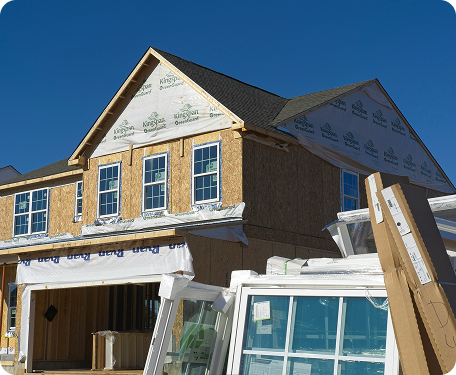
If you’re a painter who’s branched out into drywall, pressure washing, or general contracting, your standard painting contractor insurance isn’t going to cut it. The work is different, the risks are different, and your coverage needs to reflect that.
Doing drywall and texturing work? You need coverage that goes beyond paint application. Structural repairs, improper finishing, and dust damage claims require drywall contractor insurance, not just painting liability.
Offering pressure washing services? Surface damage is just part of the risk. Water intrusion, property damage from high-pressure spray, and equipment malfunctions need pressure washing coverage. Your painting policy won’t protect you when a client claims you damaged their siding or drove water behind their stucco.
Taking on general contracting jobs? Make sure your policy covers the full scope of work. Subcontractor oversight, project delays, and coordinating multiple trades require general contractor coverage that extends beyond just the painting portion.
The bottom line: If you’re doing the work, you need the insurance. Don’t assume your painting contractor policy covers these expanded services. A single uncovered claim from drywall, pressure washing, or GC work can wipe out years of profit.
Talk to your insurance provider about adding trade-specific coverage, or you’re gambling every time you take on one of these jobs.
Insurance For Painting Business That Expands Into Other Trades
Additional Painter Insurance Coverage Options
As your painting contracting business expands, these additional coverage types merit careful consideration beyond your core insurance portfolio:

Tools & Equipment Coverage
(Inland Marine Policy)
Specially designed to protect your sprayers, pressure washers, ladders, scaffolding, and specialized painting tools whether stored in your van or deployed at job sites. This coverage addresses theft, accidental damage, or mysterious disappearance.

Professional Liability Insurance
Safeguards your business when clients allege professional mistakes or oversights in your painting services. Whether it’s claims of improper surface prep, wrong product recommendations, or color matching failures, this coverage handles defense costs and damages. Protection includes negligent workmanship allegations, attorney fees, and court awards.

Commercial Auto Coverage
Essential protection for your fleet of work vans and trucks used in daily operations. Standard personal auto coverage excludes commercial painting work, leaving dangerous gaps.
Painter License Bonds
These financial guarantees demonstrate your commitment to quality workmanship while satisfying state licensing boards. Bond requirements commonly range $5,000-$25,000, with annual premiums representing 1-3% of the bond amount. Your credit profile significantly influences pricing.
Quote Summary by Revenue Level
Bond Required
Top-Tier Credit
Standard Credit
Challenged Credit
$5,000
$100-$150
$150-$200
$200-$400
$10,000
$100-$300
$300-$500
$500-$1,000
$15,000
$150-$400
$400-$750
$750-$1,500
$20,000
$180-$500
$500-$1,000
$1,000-$2,000
$25,000
$200-$500
$500-$1,200
$1,200-$2,500
Regulations vary dramatically. California painting contractors need $25,000 bonds while Texas imposes no blanket requirement.

Commercial Property and Business Personal Property
Comprehensive coverage securing your workspace and materials (paint inventory, primers, sprayers, ladders, drop cloths) from perils including fire, criminal activity, storm damage, and malicious mischief. Vital for operations maintaining supply warehouses, mixing shops, or showrooms.

Painting Contractor Business Package
Intelligently combines liability and property coverages into a streamlined policy. Perfect for established painting shops with brick-and-mortar locations, addressing customer accidents, property destruction, equipment loss, and revenue interruptions. Often delivers cost savings versus standalone policies, though customization options become limited.

Excess Liability / Umbrella Coverage
Instead of boosting individual policy limits, this coverage stacks additional protection atop your existing liability, fleet, and workers’ compensation policies. When catastrophic claims exhaust primary coverage, this backup fund activates.
Frequently Asked Questions
What kind of insurance does a painter need?
At minimum, you’ll need general liability insurance – that’s what customers mean when they ask if you’re insured. Once you hire employees, workers’ comp becomes legally required. Add commercial auto if you’ve got a work van, and tools coverage ($200-$2,000/year) protects your sprayers and equipment from theft.
How much does insurance cost for a painter?
Based on 1,100+ quotes analyzed, painters typically pay 0.7% to 2% of revenue for general liability. So at $150K revenue, expect around $2,090 annually. Workers’ comp runs $3.48 to $8.36 per $100 of payroll depending on your state – yeah, it varies that much between states.
What insurance codes do painters typically use?
Painters primarily use class code 5474 for workers’ comp, with rates ranging from $3.48 to $8.36 per $100 of payroll. Some states use slightly different class codes based on work and wages. Your code determines your base rate before any modifiers.